

Grocery shopping can feel overwhelming, especially with endless choices and confusing labels.
Grocery shopping can feel intimidating, especially when you’re trying to hit the trifecta of healthy eating, cost efficiency, and minimal food waste. Here’s how to get started.
Grocery shopping can feel overwhelming, especially with endless choices and confusing labels. As a dietitian, I often hear from clients who don’t know where to start or end up with a cart full of things that don’t support their goals.
In this guide, I’ll walk you through how to shop strategically, from planning and list-making to stocking your kitchen, managing food waste, and keeping grocery bills in check, all while making nutritious choices easier and more accessible.
The importance of planning ahead
Walking into a grocery store without a plan is like heading on a road trip without a map. A little preparation goes a long way in helping you stay focused, avoid impulse buys, and make healthier choices.
Start by planning a few meals and snacks you’d like to make during the week. If you’re new to meal prepping, start small. Focus on two to three main meals that can double as leftovers and use overlapping ingredients to cut down on cost Trusted Source and food waste.
Once you know what meals you want to make, build a grocery list based on those ingredients. Organize it by category or store layout, such as produce, proteins, frozen, pantry, and dairy, to streamline your trip.
How to build a practical, healthy grocery list
A well-structured grocery list helps you shop more efficiently and supports healthier choices. Plus, studies show that grocery lists may help you make healthier choices while shopping.
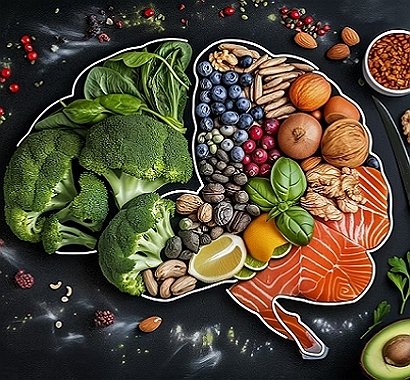
Try to base your list around whole, nutrient-dense foods such as fruits, vegetables, proteins, whole grains, and healthy fats.
Here’s an example of what a healthy grocery list might include:
Keep in mind that pantry staples like grains, canned goods, and nut butters don’t need to be purchased weekly. Once you build up your supply, you can do smaller, produce- and protein-focused shops between restocks.
For more detailed healthy shopping list ideas, check out this article.
Sign in to join the conversation and connect with others on their journey


We create practical, evidence-aware tools that help you strengthen your well-being—one small, meaningful step at a time. Our mission is simple: make prevention a natural part of everyday life. Because the best medicine is the one you practice before you need it.
Take the free Compass Tool Assessment to uncover your wellness strengths and find your starting point for lasting change.
 Start Assessment




















Responses (0)